Proximity–Agency Gap.
The people closest to social problems are furthest from the levers of change in under-resourced communities.
Value of proximity
Under-resourced young people carry irreplaceable assets for solving social challenges, rooted in lived experience.
Human agency gap
Yet they face barriers to acquiring the tools and impact skills to act on challenges they understand best.
The root cause
Acting on social problems became
a career sacrifice, not an accelerant.
Barrier 01 · Financial constraintsImpact is financially unsustainable.
68% of nonprofit internships are unpaid (vs. 29% in for-profit). Low-income students are far less likely to afford an unpaid internship than higher-income peers.
8×
less likely to afford unpaid internships
Barrier 02 · Opportunity costImpact feels like career sacrifice.
Students see impact-oriented work as time lost to more lucrative careers in tech, finance, or consulting.
45% / 67%
nonprofit interns receive a job offer (vs. for-profit)
Barrier 03 · Time povertyLimited spare time for non-academic activities.
Under-resourced students take on more off-campus work while enrolled, in jobs that rarely build career-advancing experience.
0.93 / 1.72
extracurricular activities per year (vs. peers)
In their words
“Getting a job that can give me financial independence is my primary concern. Impact work? It’s not on the table right now.”
FGLI undergraduate
Campus interview · ImpactCorps research
Why it matters
The gap hurts individuals, communities, and the social sector.
IndividualsLow fulfilment and agency
- 3× less likely to experience high career purpose
- Proximity becomes a career constraint
CommunitiesDisempowered communities
- Loss of their brightest talent to higher-paying industries
- Reliance on externally designed solutions
Social sectorWeakening social sector
- Declining young talent pipeline
- Persistent social challenges due to ineffective “solutions”
The solution
We turn social changemaking from career sacrifice into career acceleration.
Today
Impact = career sacrifice.
- Impact work = irrelevant side-projects
- Impact skills = non-transferable niche skills
- Social impact = an intractable challenge not worth solving
With ImpactCorps
Impact = career accelerant.
- Impact work = a highly valued signal of capability that propels their careers
- Impact skills = a scarce differentiator valued across industries (empathy, AI fluency, problem-solving)
- Social impact = community challenges members are best positioned to address
Our program
Impact-driven AI fluency program focusing on real challenges.
01AI-proof human agency
Focus on capabilities that will be complemented, not replaced, by AI.
- Impact skillsProactively identify, define, and tackle problems.
- EmpathyListen to, understand, and incorporate communities’ lived experiences.
- AI fluencyAppropriately identify and use AI tools to achieve desired outcomes.
02Real-world projects
Structured, real-world learning that prepares members for real impact.
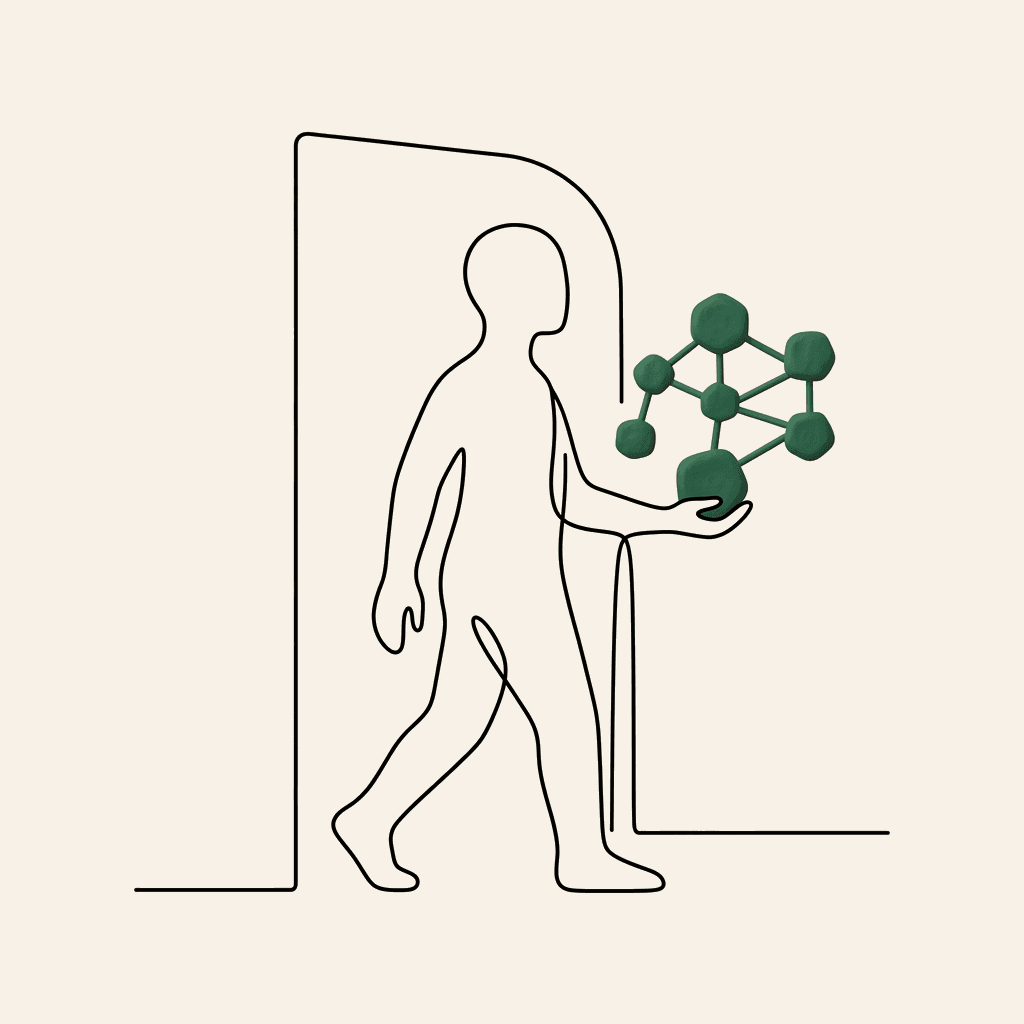
- Real community challenges
- Structured, bite-sized milestones
03Barrier-clearing support
Removing barriers directly to make the program accessible to all.
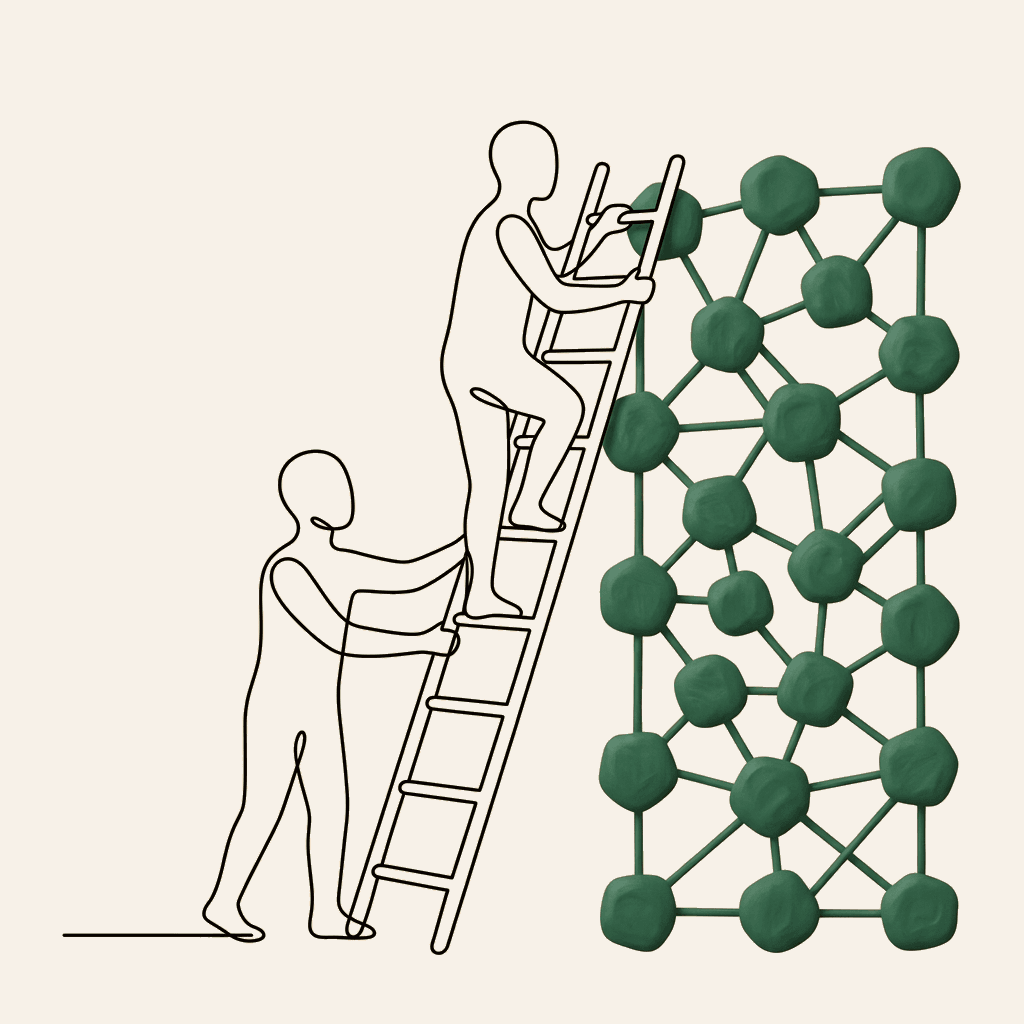
- Platform for self-paced learning
- Impact grants for eligible members
04Career-boosting outputs
Outputs that immediately place members ahead in the job market.
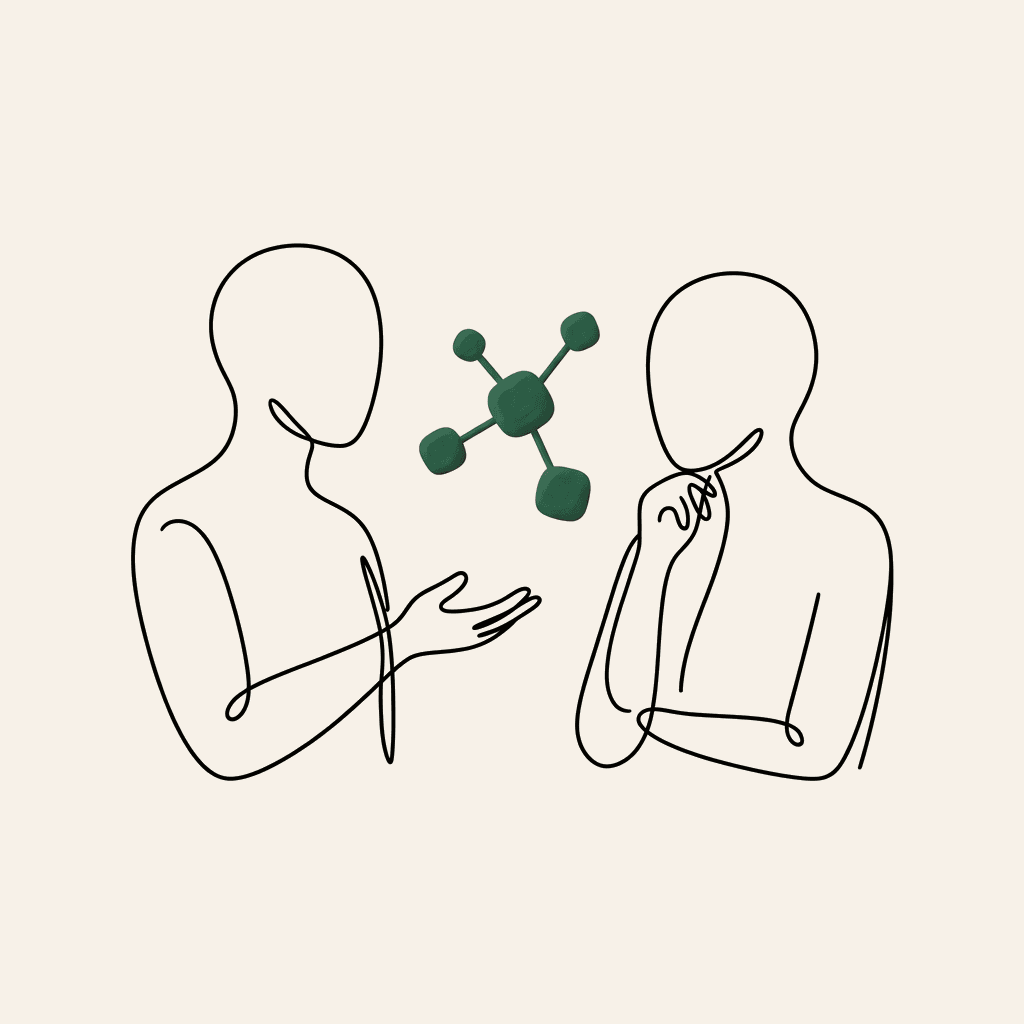
- Deployed technological solution
- Sharable impact report
Focus on capabilities that will be complemented, not replaced, by AI.
- Impact skillsProactively identify, define, and tackle problems.
- EmpathyListen to, understand, and incorporate communities’ lived experiences.
- AI fluencyAppropriately identify and use AI tools to achieve desired outcomes.
Our platform
Introducing our platform: SCOPE
Self-directed, Community-Oriented Project Environment (SCOPE) where members drive the projects while developing as more effective changemakers.
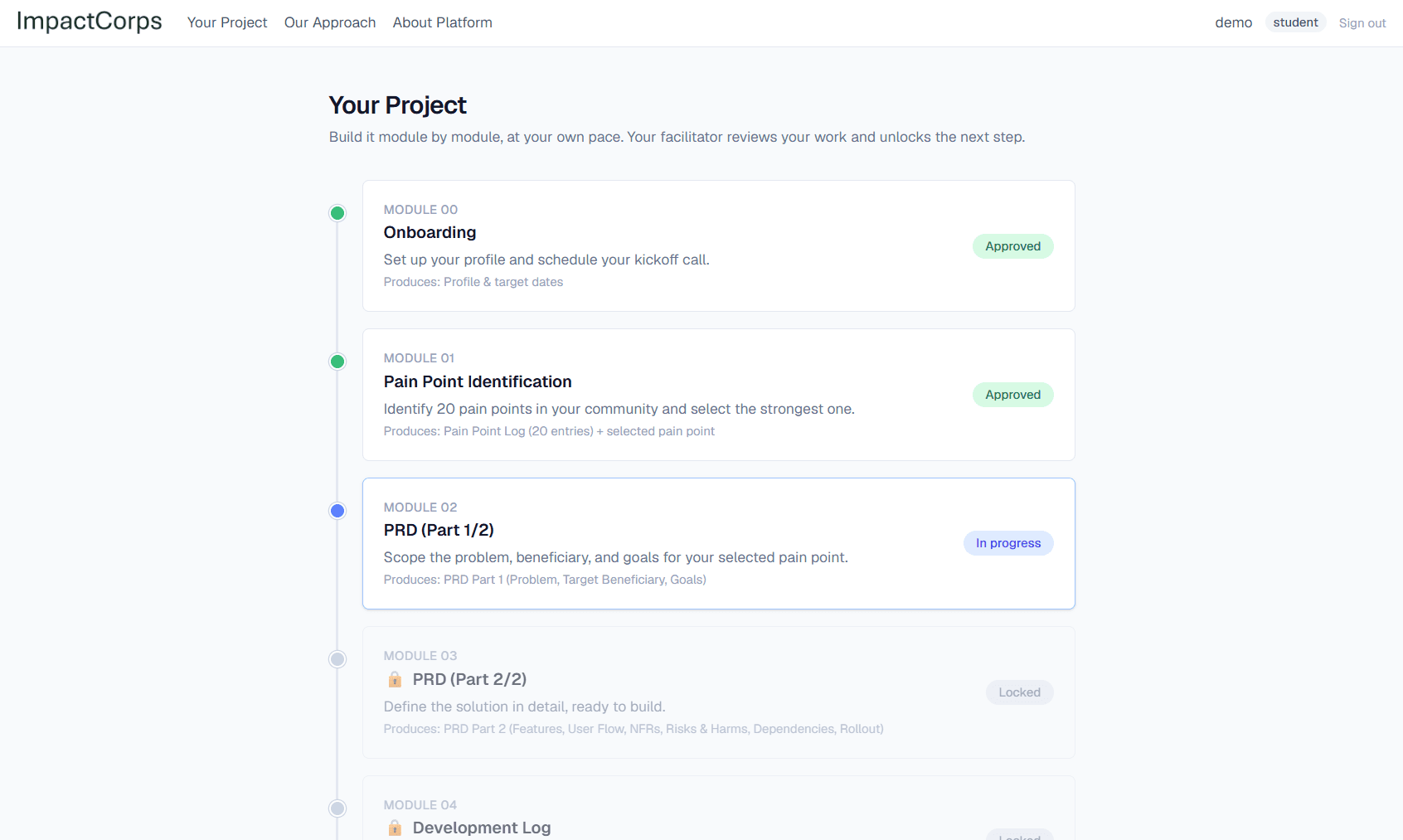
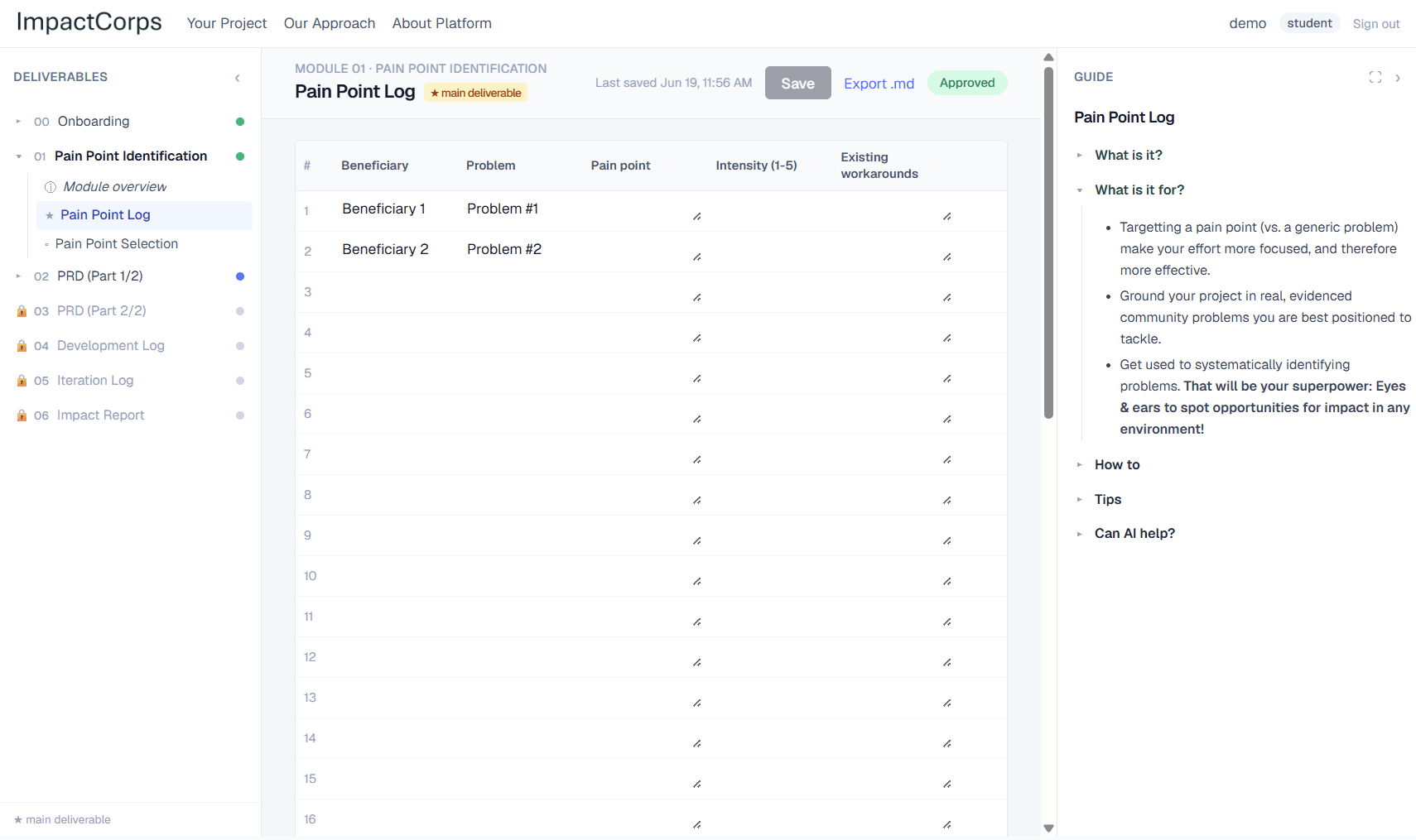
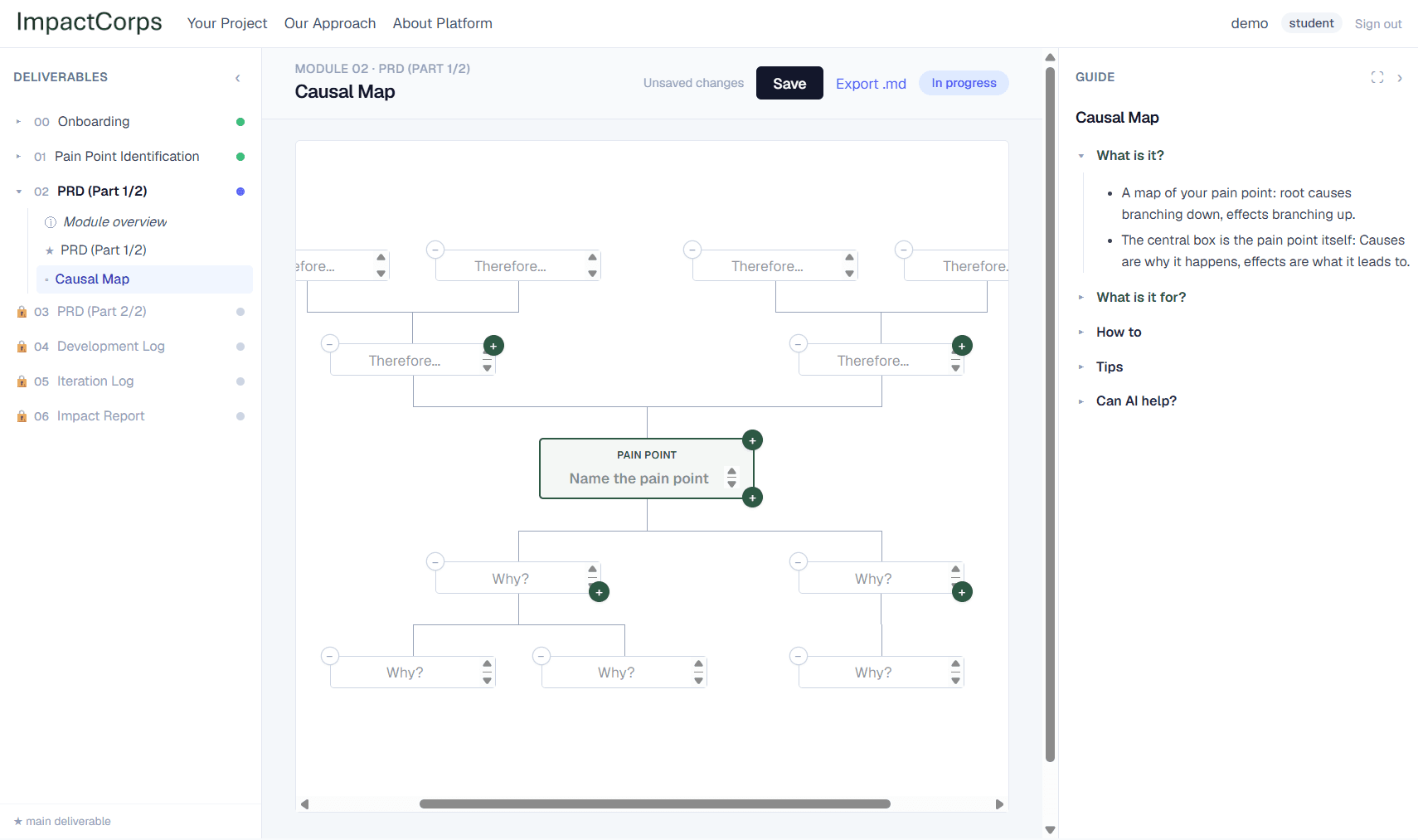
Living Project Workspace
One workspace where the member’s work grows module by module into a complete project.
Self-Paced Learning
Step-by-step guides that walk the member through each exercise and build toward a finished project.
Built-in Personal Support
Built-in feedback loops and check-in sessions with a real person who supports the member along the way.